image of a compass
NDI

The National Democratic Institute is a nonprofit, nonpartisan organization working to support and strengthen democratic institutions worldwide through citizen participation, openness and accountability in government.

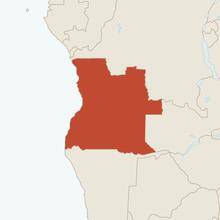
Angola

Crossing the Kuanza River, Photo by Gibson Oliveira and Rafaela Printes

Following the end of a 27-year civil war in 2002, Angola has experienced astonishing economic growth, primarily due to rising oil production. The scars of the civil war remain, however, in the country’s dilapidated infrastructure, unequal distribution of wealth, and the government’s inability to provide services to citizens. Despite being Africa’s second largest producer of oil, many Angolans continue to live on less than U.S. $2 a day.

Angola’s first elections in 1992 resulted in a renewal of the civil war after the main opposition party rejected the results of the polls, alleging that the process was not credible even though it had participated in the peace deal process. In September 2008, six years after the the civil war, Angola’s legislative elections marked the country’s second set of elections, providing an opportunity to further sustain peace and advance democratic practices.

In 2010, Angola approved a constitution that protected more freedoms than before. Before general elections in 2012, many of the country’s laws, including the penal and electoral codes, are being reformed to comply with the new constitution. These changes will be crucial in determining how the government resolves conflicts between the new constitutional guidelines and the state’s traditional ruling practices.

Current Activities

Since 1996, NDI has worked closely with Angolan partners to bolster citizen participation in political processes through civic education initiatives, work with legislative leaders, election monitoring and advocacy campaigns on issues like affordable housing, and access to water and medical treatment for HIV.  NDI’s current program aims to promote citizen engagement in the local governance level; strengthen the legislative ability of the National Assembly; and improve constituency outreach of provincial representatives in parliament.

To encourage citizen participation, NDI provides ongoing support to Angolan civil society organizations to help citizens more effectively reach out to their members of parliament and other political and local leaders.  NDI’s partner groups also educate citizens on the roles and responsibilities of parliament and local government, and, through community meetings and advocacy efforts, work with communities to address how issues of concern.  

NDI also works with local independent media to produce and broadcast a weekly radio show, Parliament and Me.  The show provides information about the role of the National Assembly as well as discussions on recent laws and ongoing legislative debates, news that is hard to access elsewhere due to a lack of transparency and a restricted media environment. 

To listen to recent episodes of Parliament and Me, in Portuguese, click on one of the links below:

Relations between MPs and Citizens:  Comparative Models.


A Parliamentary Committee:  What Is It and How Does It Work?


The Nine Permanent Committees of Parliament.


The Newly Proposed Youth Law


The Role of the Parliamentary Women’s Caucus in Combating Domestic Violence and Other Gender-based Issues.


The Need for Parliament to Conduct Oversight Activities and the Problems Inherent in Suspending that Oversight


To complement these radio broadcasts, NDI has begun producing and distributing Citizenship, a bimonthly newsletter on civic and constitutional rights.  The newsletters are distributed to citizens in the provinces through NDI’s four civil society partners as well as through a listserv of organizations.  With increasingly fewer independent print media outlets in the country, Citizenship helps fill an important informational gap on rights guaranteed under the constitution and the role of government bodies.  Read recent editions of the newsletter»

In past years, to bridge the divide between citizens and government, the Institute has worked with parliamentary members and leadership to convene public forums for discussing policy issues.  As part of an exchange program with the Institute for Representative Government in April 2011, NDI organized a visit by legislators from a variety of political parties and legislative committees to travel to Washington, D.C., where they met with members and staff of the U.S. Congress, as well as representatives of the foreign policy and international development communities interested in U.S.-Angola relations.  The exchange also provided an opportunity for National Assembly members to study the U.S. legislative process and the role of civil society organizations in informing public policymaking, in such areas as budget oversight.

Contact Information

For more information about these programs, use our contact form or contact:

Washington, D.C.
Sylvia T. Panfil, Senior Program Manager
(202) 728-6333

  Subscribe to updates about Angola