image of a compass
NDI

The National Democratic Institute is a nonprofit, nonpartisan organization working to support and strengthen democratic institutions worldwide through citizen participation, openness and accountability in government.

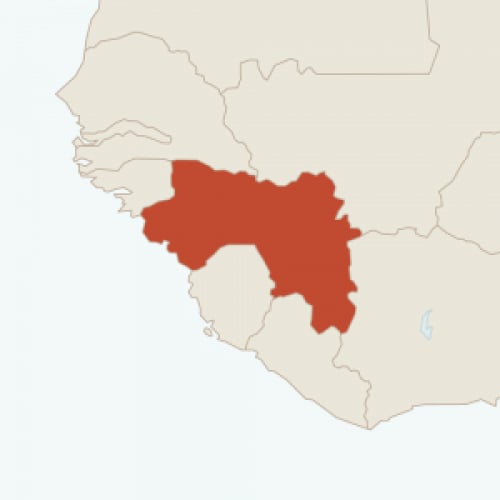
President Lansana Conté, who had ruled Guinea for 24 years, passed away on December 22, 2008. Hours after his death, Captain Moussa Dadis Camara seized power in a bloodless coup, proclaimed himself president, and announced the formation of the National Council for Democracy and Development (CNDD), a 32-member transitional body whose stated aim is to root out government corruption, foster stability, and protect Guinea’s territorial integrity. He has since reshuffled the military hierarchy, appointed several military officers to senior level government positions, and issued an ambitious reform agenda.

The United States, European Union, African Union, Economic Community of West African States (ECOWAS), and other international actors condemned the coup and called on the CNDD to organize elections before the end of 2009. Upon assuming power, Camara stated that free and fair elections would take place in two years and that he would not stand in those elections.

Current Activities

In August 2008, NDI launched a program to promote transparent and credible legislative elections through increased participation in the electoral process by political parties, civil society, and women. This program has four objectives:

  • to enhance the capacity of Guinean political parties to compete effectively in the electoral process;

  • to enhance the capacity of Guinean civic groups to conduct pre-election and election day monitoring activities;

  • to enhance the capacity of women candidates to compete in the 2008 legislative elections; and

  • to strengthen the skills of women legislators.

In the wake of the military take over, NDI is assessing the political environment in Guinea to determine what activities, if any, would help promote a peaceful transition to democratic rule. NDI recently convened a meeting with leaders of Guinea’s main political parties to identify ways in which NDI can support them during this time. NDI also plans to continue its assistance to its civil society partners.

Past Programs

Strengthening Political Processes

NDI’s efforts to support democratic political processes in Guinea began before the 1998 presidential election, when the Institute trained political party poll-watchers and conducted radio-based voter education. Guineans from a variety of backgrounds acknowledged the contribution of NDI's work to the reduction of political tensions at that time.

Promoting Inter-party Dialogue

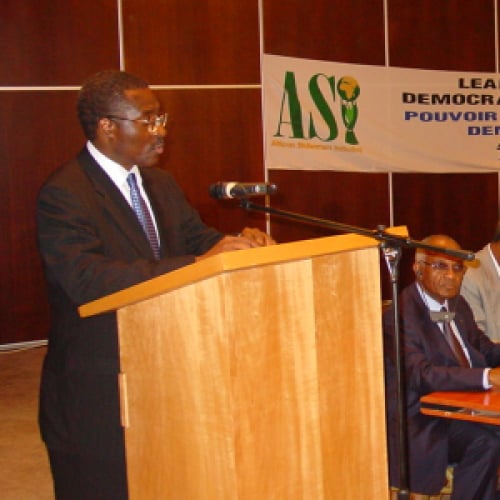
Following an NDI-sponsored study mission to Morocco in 1999, representatives of Guinean political parties produced a joint declaration on the important principles of democracy, the first multiparty public statement of its kind. A subsequent study mission in Ireland in 2000 further enhanced dialogue among party leaders. In 2001, NDI conducted a series of forums around the country focusing on inter-party dialogue, democratic principles, and issues of national and local concern. NDI also organized a series of colloquia in Guinea's capital, Conakry, and in each of the country’s regions, that brought together political party leaders and government officials to discuss topics including the need for neutral administration of the electoral process and ways to collaborate to reduce political violence. NDI recently worked with political parties to draft a code of conduct that sets standards for political party behavior during the electoral period. Leaders of 41 political parties signed the code.

Political Party Strengthening

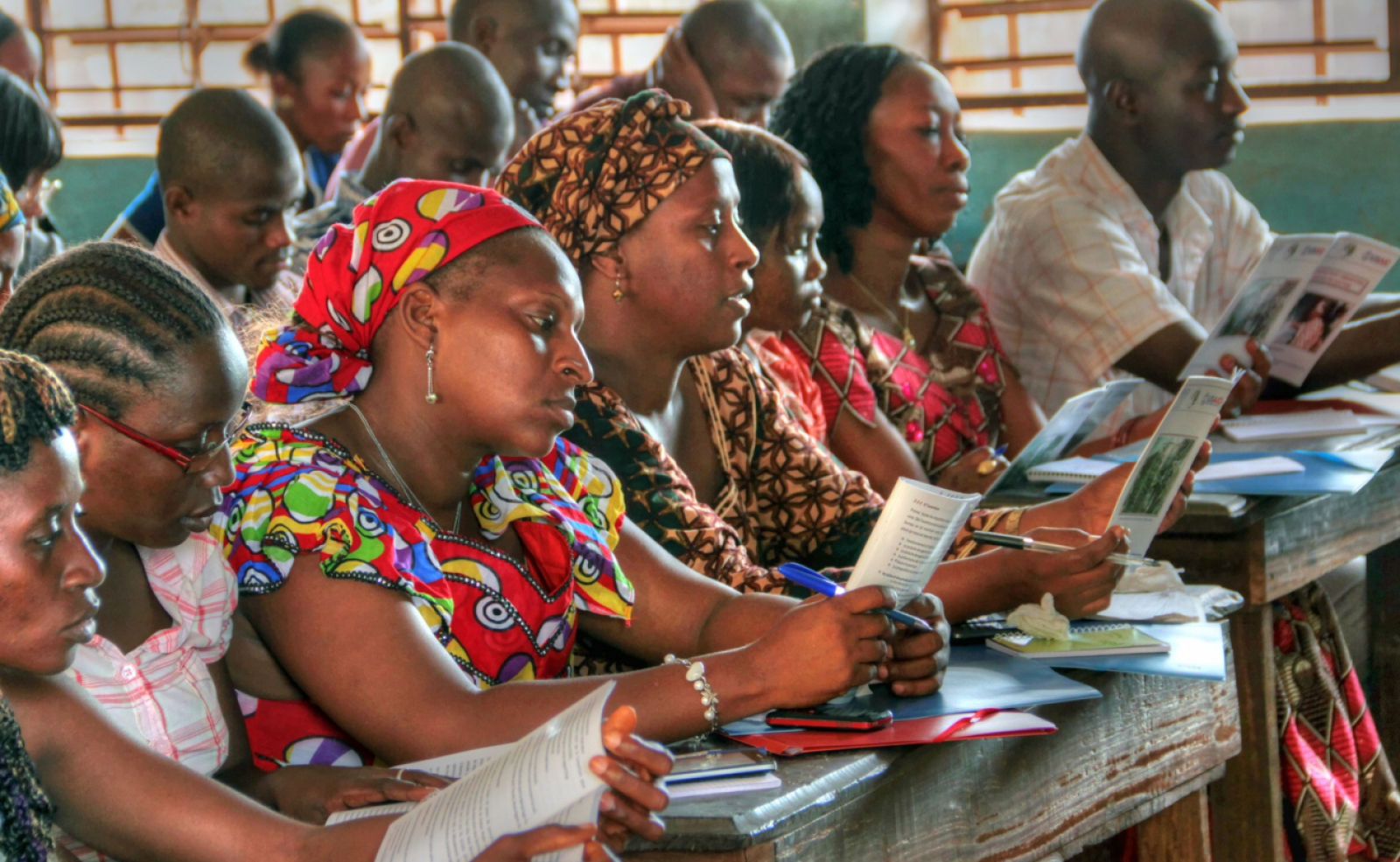
In preparation for the 2003 presidential elections, NDI trained members of Guinean political parties to help enhance their capacity to actively participate in the campaign and election. NDI developed a manual, translated into eight local languages, to supplement a series of training-of-trainers workshops for political party activists across the country interested in monitoring the voter registration process. In collaboration with a forum of women political party activists, NDI also produced a series of radio messages to encourage Guineans, particularly women and youth, to register to vote.

In June 2003, NDI sponsored a roundtable for high-level political party representatives to discuss the future of the political process in Guinea. The participants discussed a series of reforms, which they subsequently transmitted as recommendations to the Minister of Territorial Administration and Decentralization, including:

  • use of transparent ballot boxes and the single ballot system;


  • neutrality of the election commission;

  • equal access to state media for all parties;

  • publication of a private media law;

  • mobilization of national and international election observation missions;

  • setting a realistic timeline for presidential elections; and

  • partnership with donors to support the electoral process.

Participation of Women and Youth in Political Processes

NDI has worked with women and youth members of political parties in Guinea since 2000 to build their leadership, public speaking, political communication and lobbying skills. Following a September 2001 study mission to Dakar, women political party members conducted a multiparty lobbying effort to encourage party leaders to ensure greater opportunities for women. NDI also provided technical assistance to female political party representatives in campaign skills, grassroots constituency outreach, advocacy and lobbying strategies.

In June of 2003, NDI held a seminar to assist women members of eight major political parties to develop their political communication and leadership skills. Both national and international experts gave presentations on topics including the participation of women in modern political parties and the recruitment of women voters.

In 2006, NDI initiated a program to help increase women's participation in the political processes by way of the legislative elections originally scheduled to take place in June 2007. Through NDI’s trainings, 98 Guinean women political activists enhanced their understanding of the steps involved in preparing an effective electoral campaign, including campaign organizing, advocacy, fundraising, filing paperwork, and developing and delivering a campaign message.

Funding

NDI’s programs in Guinea are funded by the United States Agency for International Development (USAID).

Contact Information

For more information about these programs, use our contact form or contact:

Guinea
Raphael Ouattara, Country Director
+223 222 3316

Washington, D.C.
Jill Salmon, Program Officer
(202) 728-5420