image of a compass
NDI

The National Democratic Institute is a nonprofit, nonpartisan organization working to support and strengthen democratic institutions worldwide through citizen participation, openness and accountability in government.


CEE

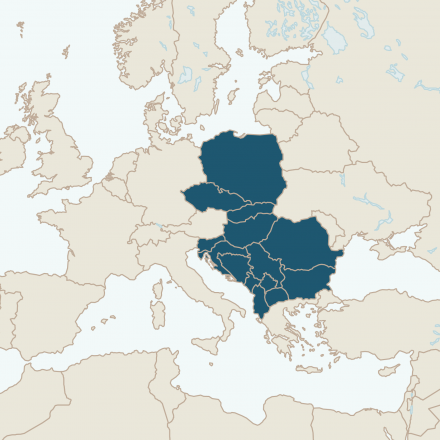
Central and Eastern Europe’s young democracies are maturing in how they address political conflicts, advance citizen rights, and serve the public interest. Nearly every country can boast of fair elections, constitutional government, multi-party systems, active civil society and independent media, and a foundation for the rule of law. Their democratic transitions are aided by integration into the European Union (EU) and the North Atlantic Treaty Organization (NATO), both of which require stable, democratic political systems for membership.

The region nevertheless faces challenges in consolidating, or in some cases advancing, democratic transitions. | Read More »

Albania

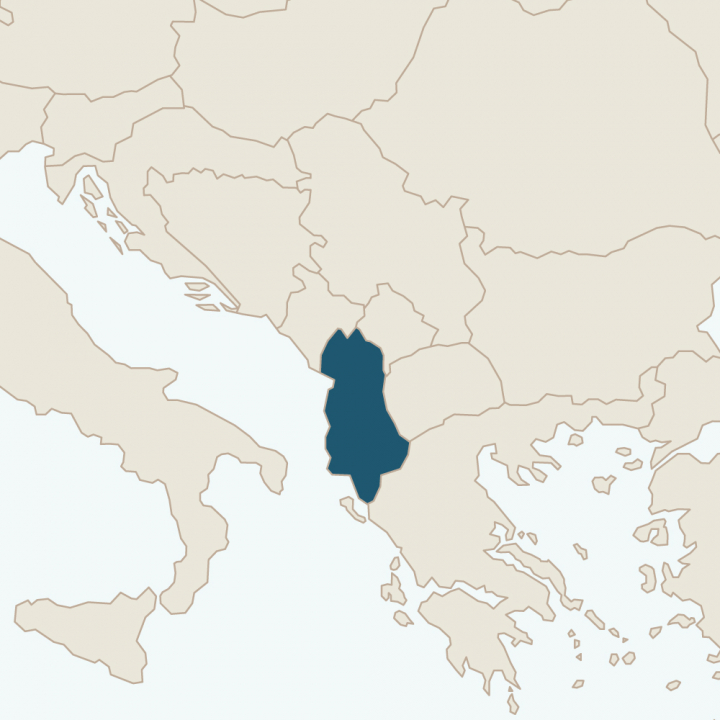
In Albania, NDI promotes citizen political participation, election monitoring, and the development of political parties and emerging political leaders. | Read more »

Bosnia

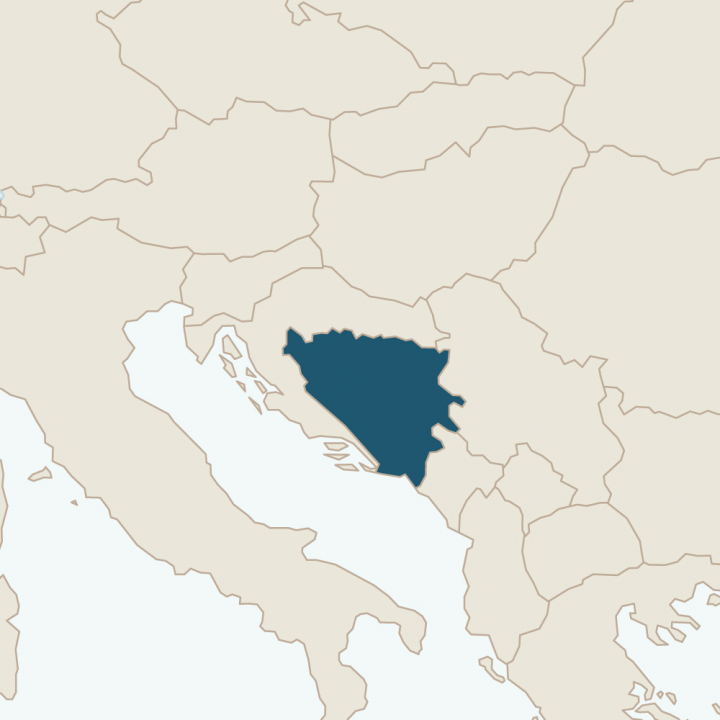
The country’s political parties, civil society, and legislatures are beginning to shape the public debate on Bosnia and Herzegovina’s controversial issues along more constructive lines. | Read more »

Bulgaria

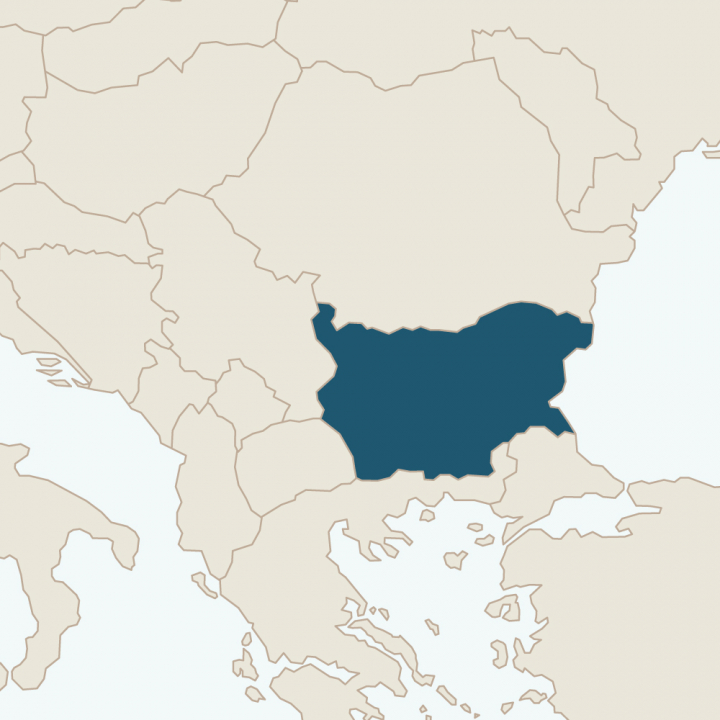
Bulgaria has built a vibrant multiparty system with an increasingly strong civil society, but requires further reform to ensure the independence of the judiciary and combat organized crime. | Read more »

Croatia

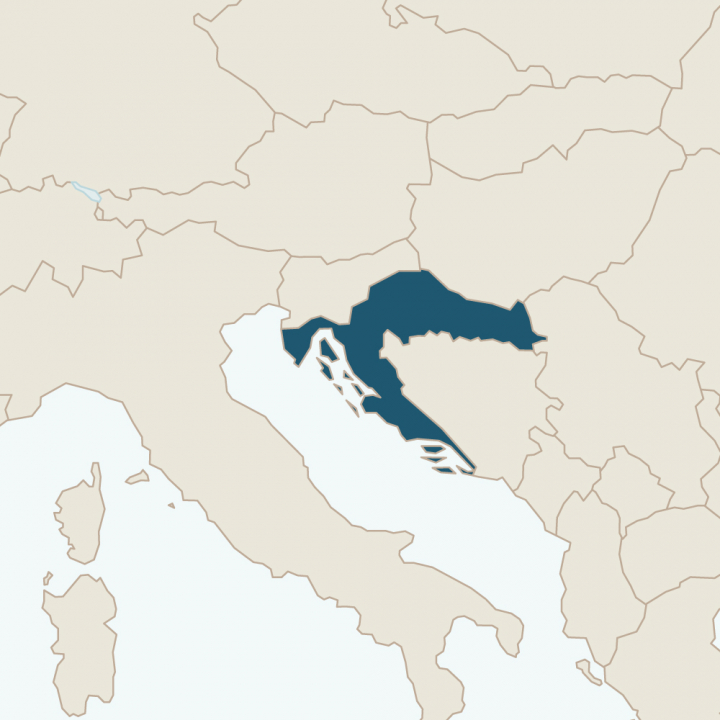
The Institute works with Croatia’s political parties through a regional initiative to help them develop policies that reflect the interests of their voters while remaining consistent with their political ideologies. | Read more »

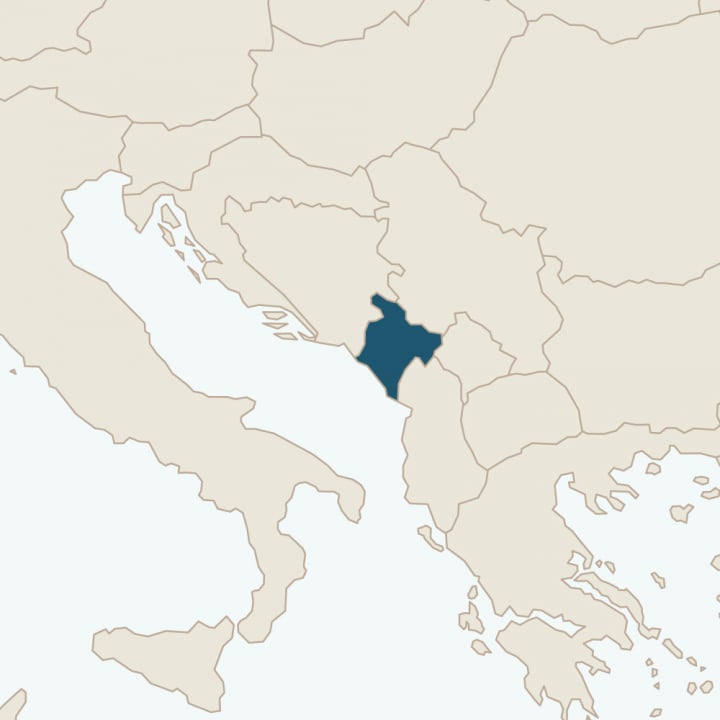
Kosovo

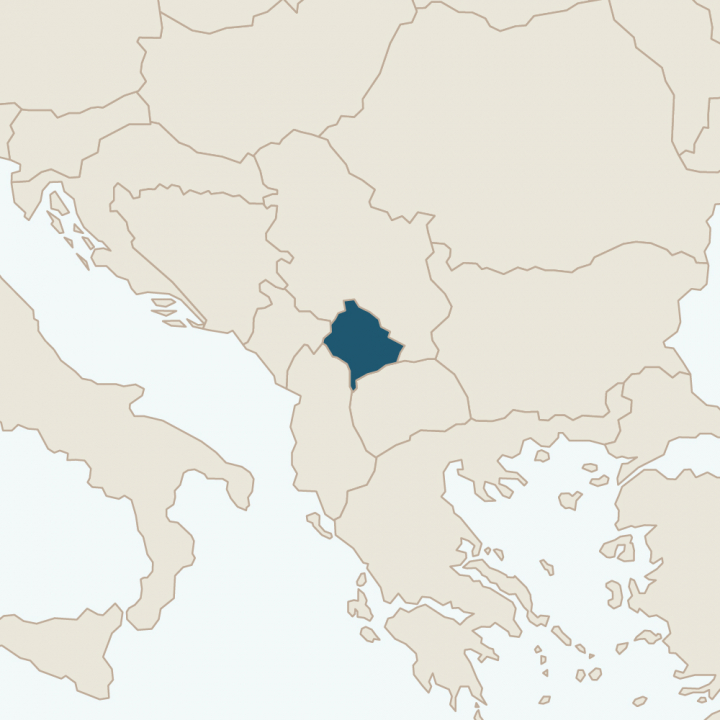
Kosovo’s declaration of independence has placed a larger onus of responsibility on its domestic governing institutions. | Read more »

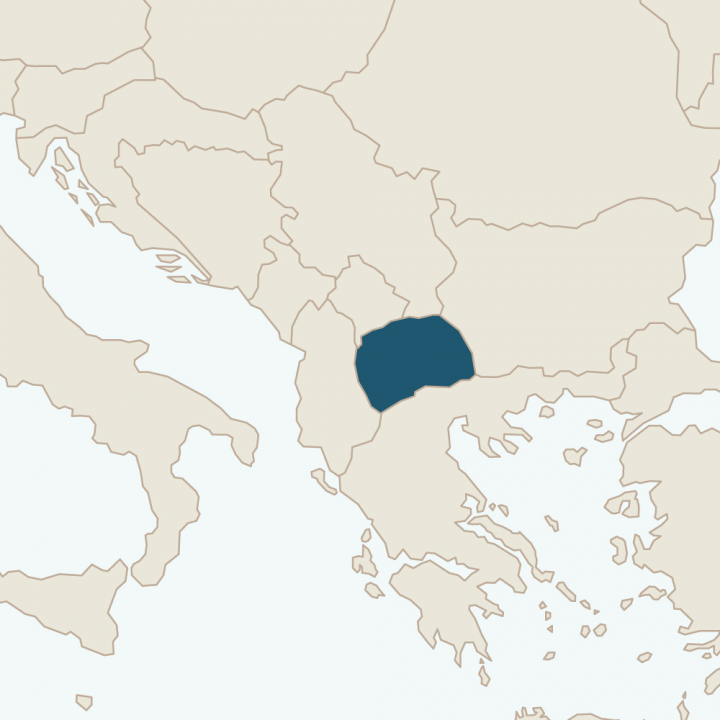
Macedonia

Macedonia has made considerable progress in reforming democratic institutions for more equitable representation of ethnic minorities, good governance practices, and improved constituency relations. | Read more »

Montenegro

With the country firmly oriented toward Euro-Atlantic integration, Montenegro is moving forward in its democratic transition with clarity and purpose. | Read more »

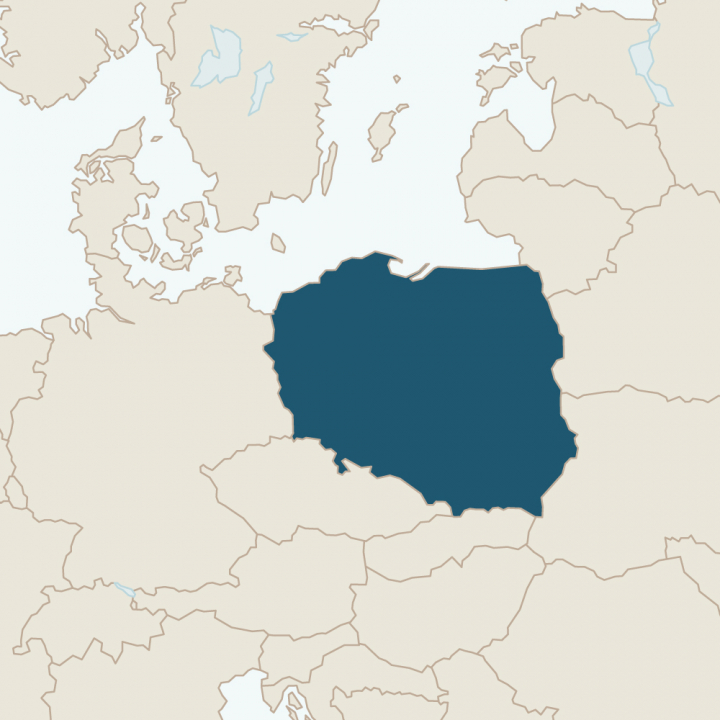
Poland

Poland now serves as a beacon to many of its neighbors and to countries around the world who aspire to greater freedom. | Read more »

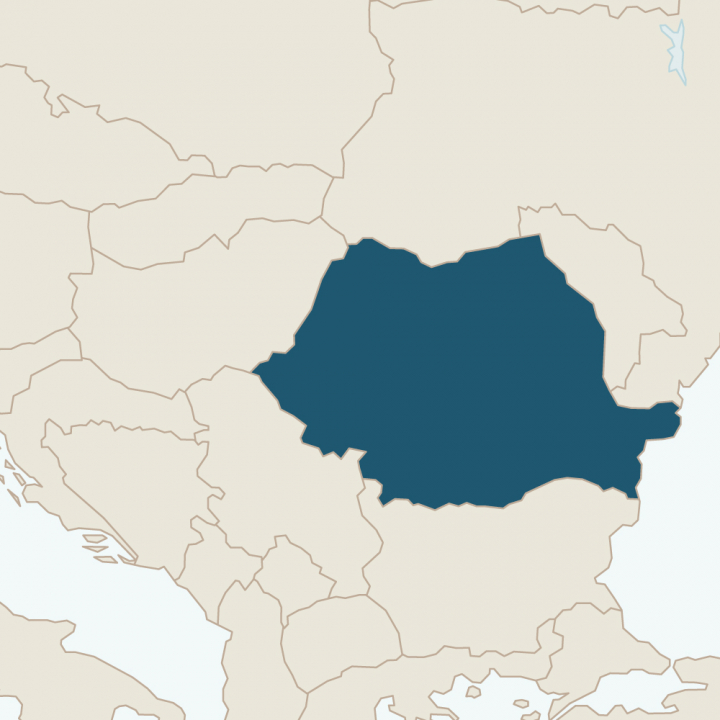
Romania

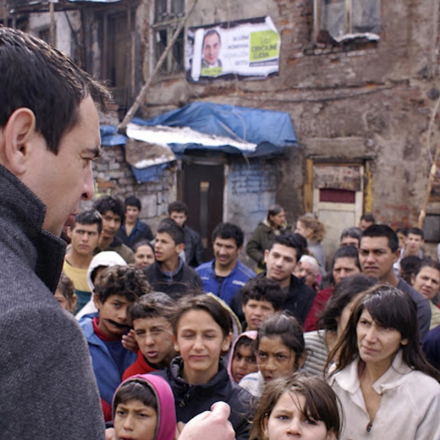
The Institute works with women and Romani political activists to increase and enhance their participation in politics and government. | Read more »

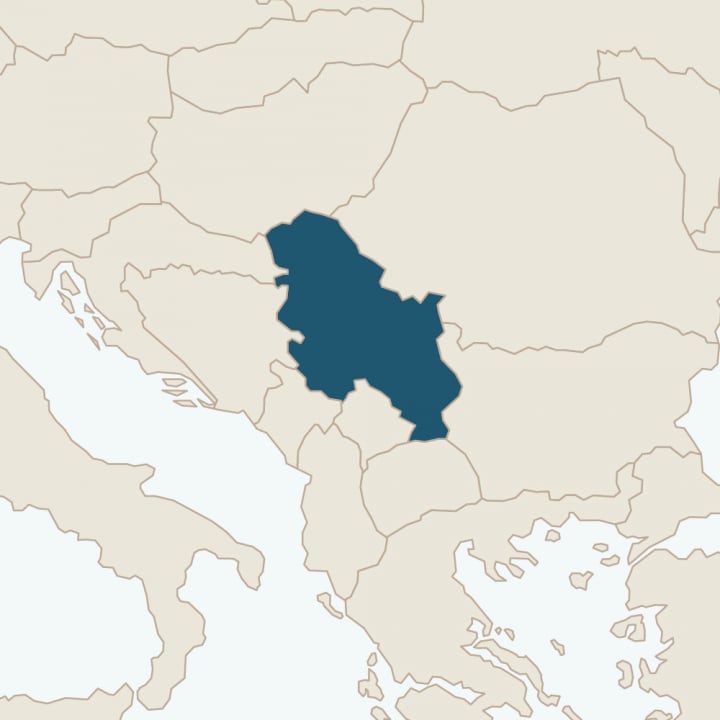
Serbia

The declaration of independence by Serbia’s southern province of Kosovo has threatened a fragile governing coalition, which could deteriorate over the issue of future cooperation with the European Union. | Read more »

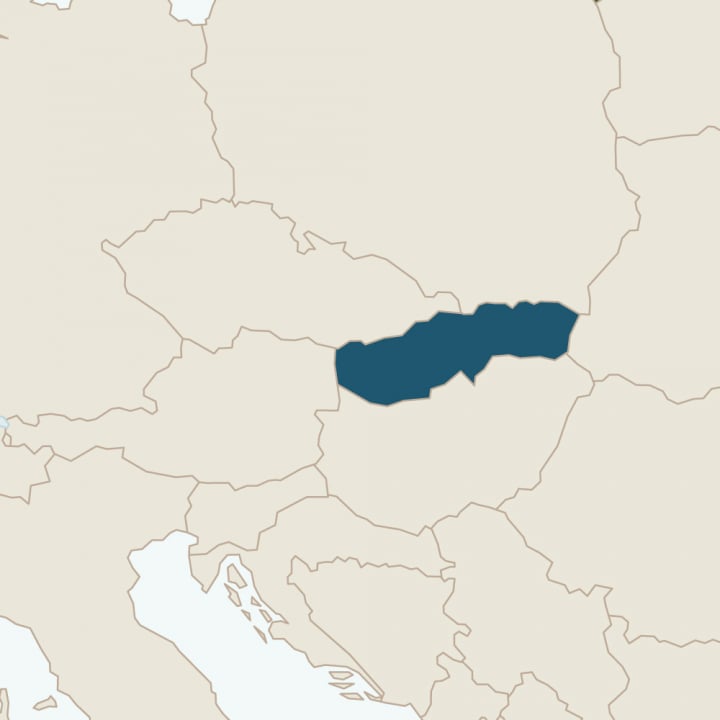
Slovakia

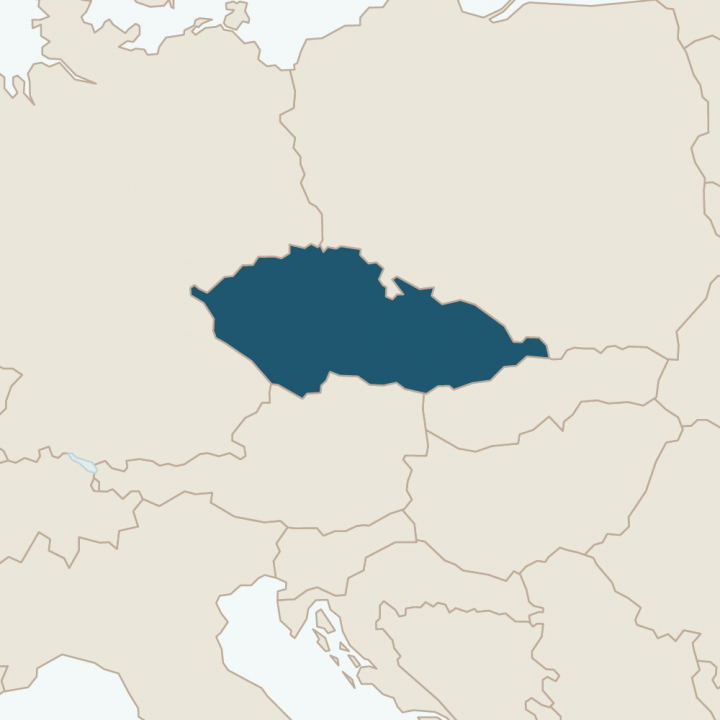
The Institute works in Slovakia as part of a region-wide initiative to help Roma use the political process to address the pressing problems facing their communities. | Read more »

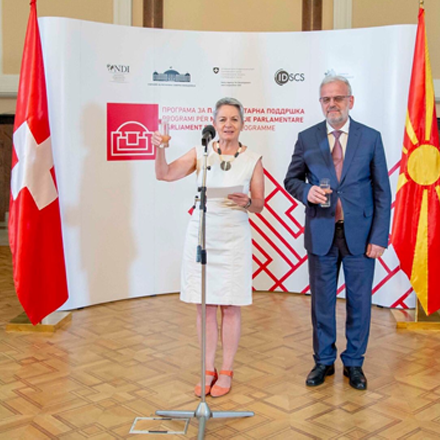
Regional Parliamentary Initiative

Parliaments in the Western Balkans learn from each other and their neighbors as they transition to democracy and European integration. | Read more »

Regional Political Party Initiative

Taking steps toward ideological clarity and more representative policy is the greatest development challenge for political parties in southeastern Europe. | Read more »

Roma Political Participation Initiative

Active political participation offers the best way for Roma to improve their social status and material conditions. | Read more »

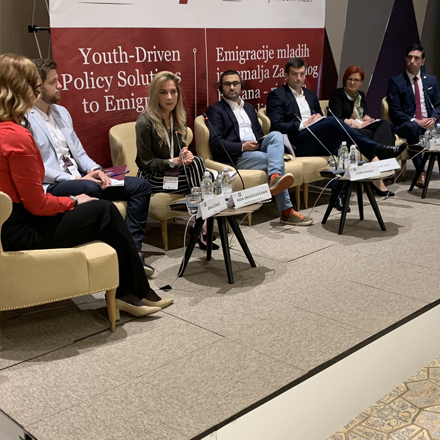
Regional Youth Tolerance

The Institute works with Albanian, Romani, and Serb youth in order to help them overcome ethnic divisions by working together to address local problems.   | Read more »