image of a compass
NDI

The National Democratic Institute is a nonprofit, nonpartisan organization working to support and strengthen democratic institutions worldwide through citizen participation, openness and accountability in government.

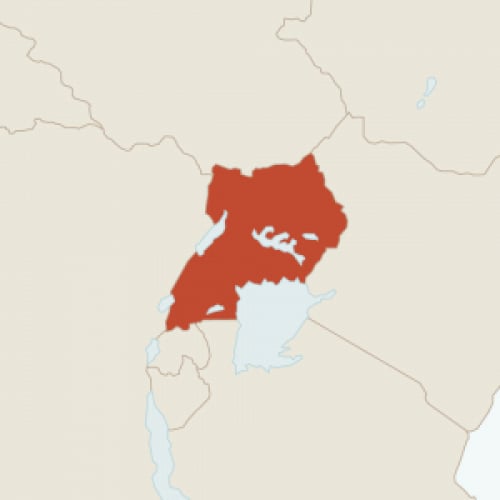
Uganda

Uganda

Since gaining independence in 1962, Uganda has endured two brutal dictatorships, numerous attempted coups and a prolonged civil war. When President Yoweri Museveni first assumed power through a military coup in 1986, he banned political parties under a “no-party system,” and the National Resistance Movement (NRM) became the country’s sole political entity for the next 19 years, making Uganda a de facto one-party state. A 2005 referendum legalized parties but eliminated term limits, clearing the way for Museveni to maintain power following the 2006 elections. In February 2011, Museveni was re-elected to a fourth term in office with 68 percent of the vote. Election day was marred with electoral irregularities, but was credited as an overall improvement over the 2006 polls.

Once hailed as a reformer and credited with stabilizing Uganda and putting it on a path toward development and economic growth, Museveni’s reputation is now tarnished by rampant government corruption, human rights violations and backsliding on key development indicators. In April 2011, opposition party Forum for Democratic Change (FDC) President Kizza Besigye and civil society group Activists for Change called on Ugandans to “walk to work” in protest of increased cost of living and high inflation in Uganda. In response, Museveni sent in troops and the subsequent clashes resulted in at least nine documented deaths.

Addressing the nation, Museveni attributes the high cost of living to global inflation and dismissed concerns about electoral irregularities, stating that Ugandans were happy with the campaigns, elections and results. However, protestors note that, while ordinary Ugandans are suffering, the government continues to spend public money on campaigns, lavish swearing-in parties, the purchase of new fighter jets and parliamentary pay raises.

NDI in Uganda

NDI began working in Uganda in 2003, supporting parliamentary caucuses to develop a new electoral framework. The program continued in 2004 and 2005 with a focus on providing technical assistance to local NGOs preparing to monitor the upcoming elections, and civil society organizations (CSOs) in the north attempting to broaden citizen participation. In 2006, NDI began working to encourage greater collaboration between women's CSOs and women members of parliament (MPs) and assisted their efforts to establish a common women’s legislative agenda.

Strengthening Multiparty Democracy

Since 2008, NDI has worked on strengthening multiparty democracy in Uganda. This effort includes assisting political parties to better organize their caucuses in parliament and building parties' abilities to organize, make policy and communicate. Civil society has an important role to play in encouraging political parties and government to understand and represent the view of citizens. NDI has worked with civil society in seven districts to engage in research, advocacy, policy and service monitoring. The Institute's civil society partners have collected data from more than 1,700 community members and leaders from 40 villages. The organizations launched advocacy campaigns that included more than 1,500 community members and resulted in more than 120 policy and budget commitments between 2010 and 2011 in Apac, Arua, Iganga, Kasese, Kumi and Masaka. Already, more than 50 commitments have been fulfilled by local governments.

Citizen Election Monitoring

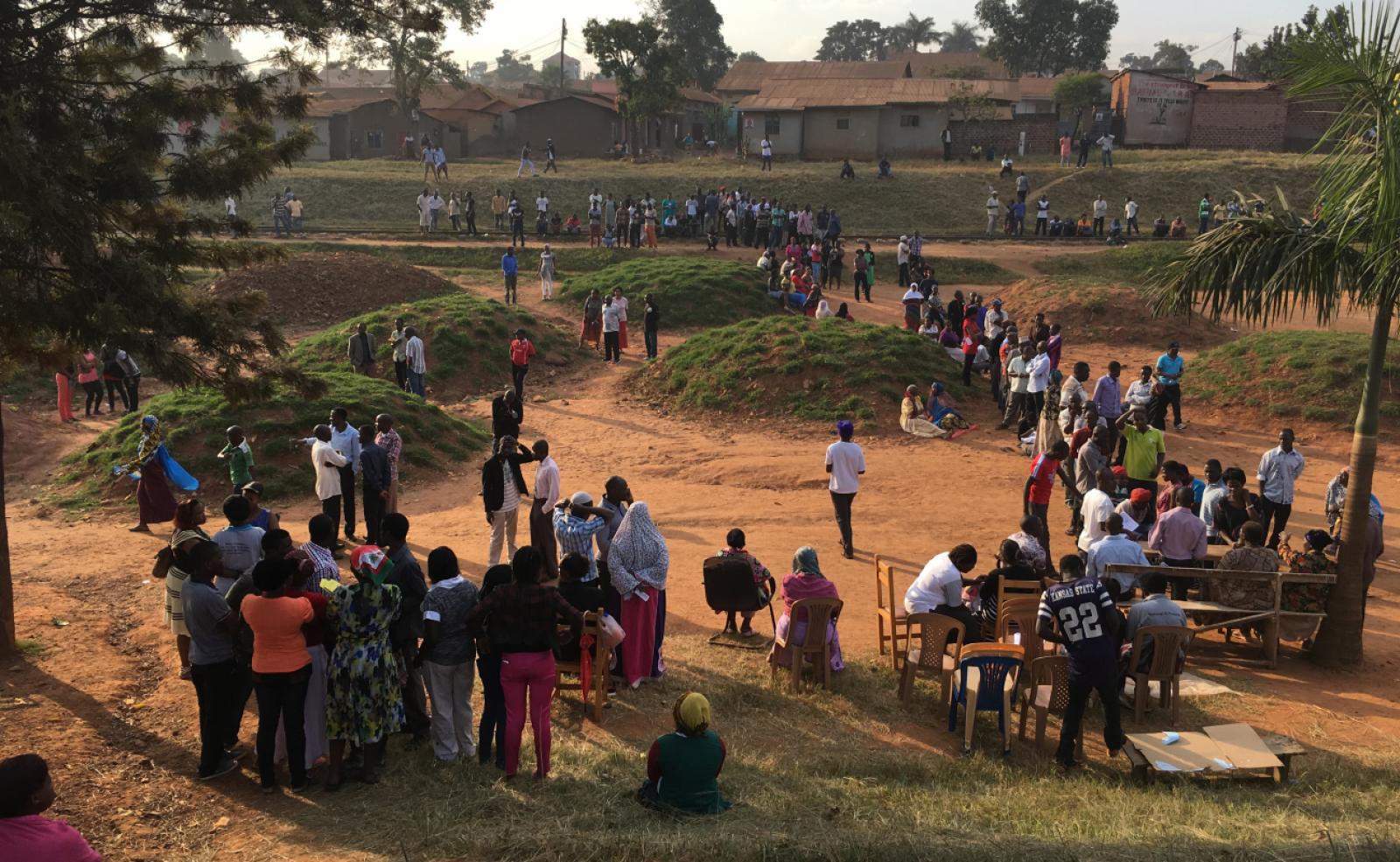
Between 2009 and 2011 NDI supported the Democracy Monitoring Group (DEMGroup), a domestic election monitoring organization, to conduct a national and local-level observation effort before, during, and after the February 2011 election. DEMGroup had a comprehensive observation strategy beginning with the voter registration process through election day. In addition to its goals for informing the public about the general quality of the elections and deterring malpractice, DEMGroup monitored women’s participation in the process and the use of money in the political process. With the Institute’s support, DEMGroup also launched UgandaWatch, a public hotline that enables citizens to call or text with complaints and concerns about the electoral process. Data was digitally mapped and followed up by DEMGroup observers for further investigation.

Following the 2011 presidential election, NDI conducted focus group discussions to evaluate the UgandaWatch platform. The discussions revealed that the participants felt empowered by the system and believed it to be a critical part of their political participation. Participants expressed satisfaction with the service though noted a desire for greater follow up after submitting their reports. With funding from USAID, NDI will use lessons learned from UgandaWatch to expand the platform for use in human rights reporting and tracking abuses.

Good Governance

NDI began piloting new tools for parliament in 2009 in an effort to better connect the politically weak institution to its constituents. NDI developed constituency case management software called UsPeak to assist MPs in managing and responding to requests and opinions provided by their constituents. NDI also introduced the concept of mobile office hours by training parliamentary liaison staff (PLS) to work in four districts on behalf of 18 MPs.

In 2010, NDI began collaborating with a research team from Columbia University and with Gov2U, a European non-governmental organization specializing in e-government, to test and evaluate the impact of a parliamentary call system (PCS) for citizens to leave voice or text messages for their MP. NDI is currently working to expand the availability of UsPeak, the PCS system, and PLS staff to a larger group of MPs, and evaluate the efficacy of each of these tools through an extensive study by the Columbia research team.

Contact Information

For more information about these programs, use our contact form or contact:

Washington, D.C.
Alison Paul DeSchryver, Program Manager
(202) 728-5410

  Subscribe to updates about Uganda