Where We Work
Montenegro
Overview
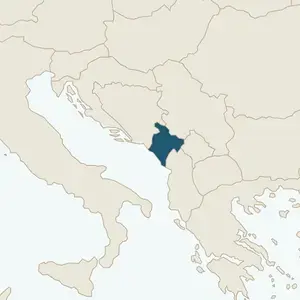
Montenegro attained formal independence through a peaceful referendum in 2006, became a NATO member in 2017, and is currently a leading candidate for European Union (EU) membership. The 2020 parliamentary elections marked the end of nearly three decades of single-party rule, giving rise to a fragile and ideologically diverse coalition government that has faced significant internal divisions and governance challenges. Persistent political instability has hindered essential reforms, while widespread corruption and a weak judiciary continue to undermine public trust. Additionally, external influences have complicated the political landscape, exacerbating social polarization and threatening Montenegro's sovereignty. These factors, coupled with a stagnating EU accession process and growing civic discontent, underscore the urgent need for political cohesion, institutional strengthening, and a renewed commitment to democratic reforms.
NDI has supported Montenegrin democracy activists since 1997, contributing to a wide range of democratization efforts, including political party development, legislative process enhancement, parliamentary reform, and election monitoring. NDI played a key role in the establishment of the Center for Democratic Transition (CDT), a leading civic organization promoting government transparency, and contributed to the regularization of public legislative hearings and constituency outreach practices. NDI paused its in-country assistance in 2011, but continued to collaborate with political and parliamentary partners through regional programs.
In response to renewed prospects for democratic reform, NDI reopened its field office in Montenegro in 2020 and now implements a comprehensive program aimed at advancing democratic governance, building resilience, and empowering people to have a say in how they are governed. Through its presence in Podgorica, NDI supports electoral integrity by assisting NGOs in election monitoring and providing technical expertise to the parliamentary committee on electoral reform. The Institute also works to strengthen institutional transparency and effectiveness, supporting the co-creation and implementation of the government’s Open Government Partnership plan, as well as through parliamentary internships, committee support, and public engagement initiatives. To promote gender equity, NDI facilitates mentorship programs for women MPs, conducts research on barriers to participation, and advocates for inclusive reforms. In addressing the challenges of foreign influence and disinformation, NDI collects data on public sentiment and collaborates with civil society to promote democratic norms, citizen engagement, and institutional accountability.

Success Stories
View More Stories
Montenegro

Featured Publication

Featured
Request for Proposal (RFP) - Montenegro Research Firm
NDI seeks to contract a public opinion research firm to conduct quantitative research in the period from September 2024 to February 2025. The Institute’s team and external experts hired by NDI will support the selected firm in the research design.
Meet The Experts
View More
Nadezhda Mouzykina
Deputy Regional Director for Central and Eastern Europe Programs

Scott Bates
Regional Director for Europe and Eurasia