Success Story
Malawian Advocates Make Debt a Campaign Issue
Citizens have a right to know how much their government is borrowing and to hold it accountable for how those funds are used. As Malawi approached its September 16, 2025, elections, civil society organizations (CSOs) recognized that one issue stood at the heart of the country’s economic challenges: its growing public debt. They wanted to ensure that voters would have a chance to know where the parties and candidates stand on this critical issue.
Malawi’s debt has reached crisis levels. The government spends more on debt service than it does on any other sector, diverting funds from essential services and constraining future growth. In 2024, the country spent more than 24% of its budget on interest payments, compared to 14% on education and 9% on health. Not surprisingly, Malawians rank management of the economy and addressing the food shortage/famine as the top priorities for the new government, according to public opinion surveys.
To ensure these concerns were not ignored on the campaign trail, NDI partnered with Malawian CSOs to put public debt transparency at the center of public debate. Civil society engagement took several forms:
Building coalitions to advocate for reforms: In July, with NDI’s support, the Economics Association of Malawi (ECAMA) brought together 25 CSOs to assess the country’s debt using the Debt Transparency Checklist developed by NDI and Transparency International. Together, they produced reform recommendations to ensure that any debt incurred in the public’s name is fully disclosed and genuinely serves the public interest. To amplify their message, the group issued a statement — prominently featured in a leading national newspaper — urging the next government to improve access to information and opportunities for citizen engagement on debt issues. They also convened a multi-stakeholder dialogue with CSOs, policymakers, political party representatives, economists, legal experts, youth, development partners, and media practitioners to examine Malawi’s public debt management systems and chart pathways for reform.
Holding political parties to account: As campaigns launched, the CSOs assessed party manifestos through a public debt scorecard, ranking commitments on debt disclosure, accountability standards, and lender transparency, demonstrating gaps where parties and candidates could improve their policy platforms.
Putting debt on the national stage: Working with the Presidential Debate Task Force, NDI helped ensure that presidential candidates answered questions about how they would tackle Malawi’s mounting debt if elected, bringing a complex economic issue to the heart of political discourse and empowering citizens to make better-informed choices.
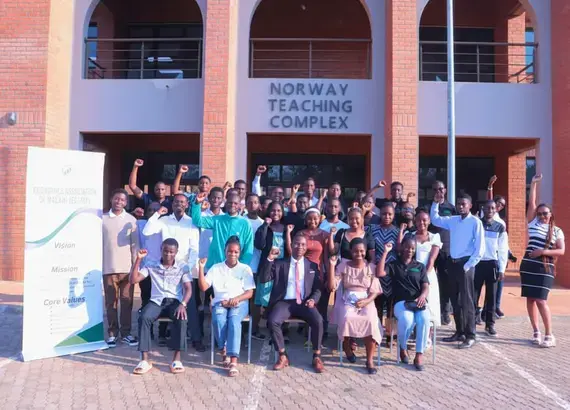
Mobilizing young people around the generational impacts of debt: Recognizing that today’s debt will shape tomorrow’s opportunities, NDI and ECAMA supported two youth organizations, the Next Generation Leaders Association (NEGLA) and the Quota4Youth (Q4Y), to convene discussions with university students to understand how public debt affects them and their future. The students resolved to use social media to raise this issue with their peers, work with their university to include public debt management in their curricula, and form student groups to advocate for stronger citizen oversight in public finance.
On September 16, Malawians elected former President Peter Muthrika and a new slate of members of parliament. As the country enters this next chapter, NDI will continue supporting civil society efforts to ensure that public borrowing is transparent, accountable, and aligned with the people’s priorities so that the money borrowed in the name of Malawians strengthens security, opportunity, and long-term prosperity.

More Success Stories
View All