For media inquiries, please contact Paulina Chavez [email protected].
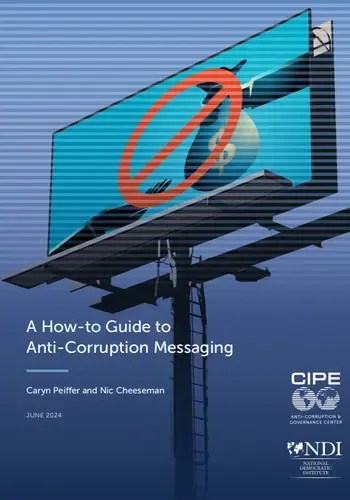
Corruption is often argued to be one of the biggest threats to both development and democracy around the world. This helps to explain why anti-corruption campaigns have been a constant feature of both foreign aid programming and civil society activity over the last 30 years. These anti-corruption campaigns usually have an awareness-raising component that involves producing messages about the harm that corruption can do to a mass audience. This is understandable as such messaging is one of the few tools policy makers have to try to influence the types of popular attitudes and behaviors that can sustain corrupt practices and frustrate anti-corruption efforts. Harnessing public opinion also promises to be an effective way to put pressure on political leaders and bureaucrats, and hence to promote broader reforms and practices that reduce the level of graft. There is growing concern, however, that anti-corruption messages may be ineffective – or even do more harm than good – in part because they are not being tailored, targeted and tested to make sure they have the desired effect. Studies have even concluded that some anti-corruption messages may have the effect of encouraging apathy rather than activism and may actually encourage bribery.