Paulina Chavez
Press Secretary
[email protected]
Resources
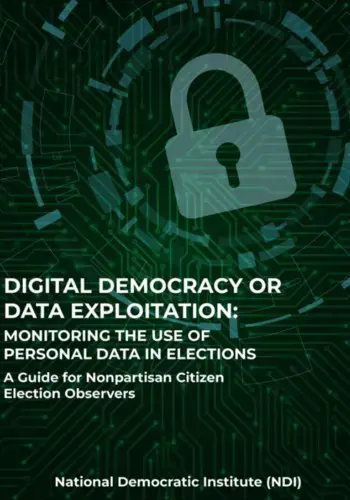
As campaigns become increasingly data-driven and AI-powered, democratic institutions face growing threats from the exploitation of personal data in electoral processes. Through massive data collection and processing, individuals are profiled based on their political views and characteristics, then precisely targeted with content designed to influence their opinions and behavior. Personal data has become a political commodity that can be bought, sold, traded, and sometimes stolen to influence elections and gain unfair advantages. Governments may also abuse personal data as an administrative resource, unfairly using access to it for electoral advantage and—especially where civic space is closing—for surveillance and intimidation. Moreover, while election management bodies have always dealt with sensitive personal information, improvements in data systems, biometrics, and other election administration technology mean that election officials are collecting, handling (processing) and storing large amounts of centralized personal information.
Election observers increasingly need to examine these practices and technologies but this requires updating methodologies and developing new technical expertise. This Guide aims to bridge this gap by equipping nonpartisan citizen election observers with the essential background knowledge, practical instruments, and analytical frameworks needed to integrate data protection considerations into their existing election observation methodologies, enabling a more comprehensive assessment of how personal data practices affect the conduct of democratic elections.